
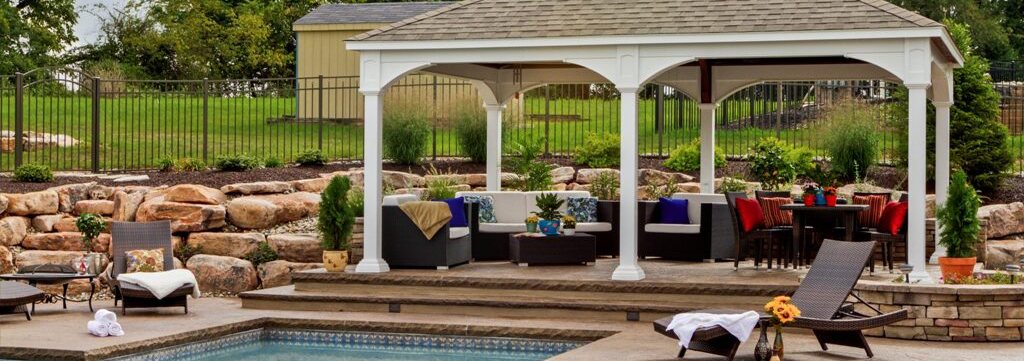
When designing an outdoor living space, choosing the right structure can make all the difference in both style and function. Pergolas, verandas, pavilions, and gazebos each offer unique benefits and aesthetics. Exploring the differences between these popular outdoor features will help you select the perfect addition for your home.
What is a Pergola?
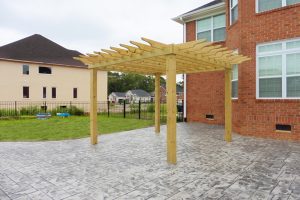
A pergola is an open, rectangular or square structure, typically built from wood, metal, or vinyl. It consists of vertical posts supporting a grid of beams and rafters on top. Pergolas are designed to create a shaded walkway, passageway, or sitting area, but they do not typically have a fully enclosed roof. The open top allows sunlight to filter through, and you can add climbing plants, fabric canopies, or retractable covers for extra shade. Pergolas are perfect for adding definition and style to patios, gardens, or poolside areas without completely blocking out the sun.
What Is a Veranda?

A veranda is a roofed, open-air gallery or porch, often attached to the front or sides of a house. Unlike pergolas, verandas are always attached structures and run along at least one side of a home. They usually feature a roof for full protection from sun and rain, with support columns and sometimes a railing. Verandas are great for relaxing outdoors while being sheltered from the elements, and they can add significant charm and value to a home—especially in traditional or Southern-style architecture.
What is a Pavilion?

A pavilion is a freestanding, open-sided structure with a solid, pitched roof. Pavilions are larger than gazebos and pergolas and are often used for gatherings, dining areas, or outdoor kitchens. With their ample coverage, they provide substantial protection from sun and rain, making them ideal for year-round use. Pavilions can be customized in size and design, and they are a popular choice for homeowners who entertain frequently or want a substantial outdoor living room.
What is a Gazebo?
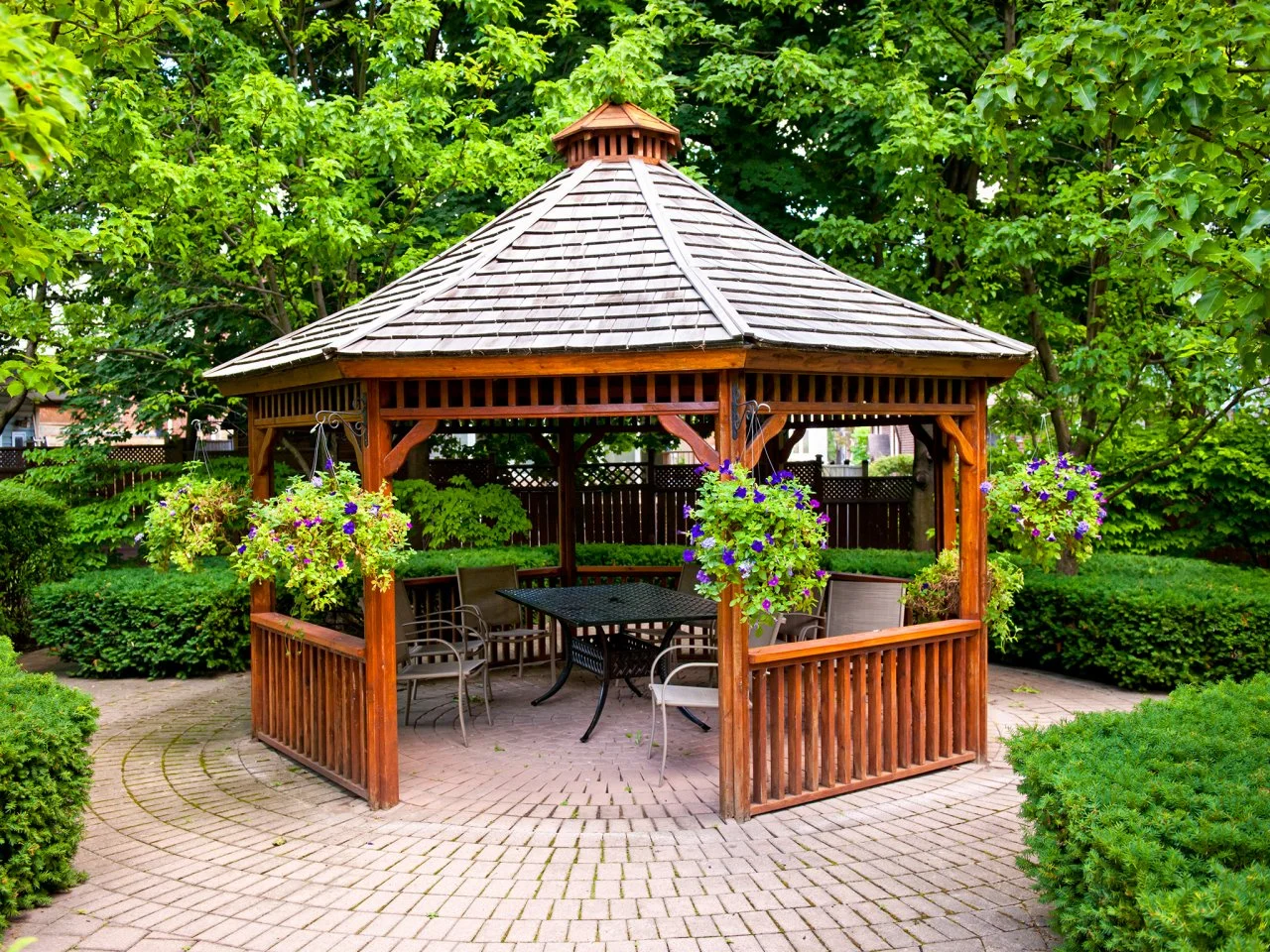
Gazebos are freestanding, often octagonal or round structures with a solid roof and open sides. Some gazebos have railings or partial walls. They’re typically smaller than pavilions and offer a charming, intimate spot for relaxation, reading, or small gatherings. The design of a gazebo often includes decorative elements such as latticework, cupolas, or built-in benches. Gazebos can be placed in gardens, near ponds, or as a focal point in the yard.
Which is Right for You?
When deciding between a pergola, veranda, pavilion, or gazebo, consider your space, style preferences, intended use, and budget:
- Pergola: Choose if you want filtered sunlight and a decorative, open-air feel.
- Veranda: Ideal if you prefer a covered, attached outdoor area for lounging and entertaining.
- Pavilion: Best for large gatherings, outdoor kitchens, or fully shaded outdoor living.
- Gazebo: Perfect for a picturesque retreat or focal point in your garden.
Each structure brings its own charm and function to your outdoor living space. By understanding the differences, you can create a backyard oasis that suits your lifestyle and enhances your home’s value and enjoyment.