
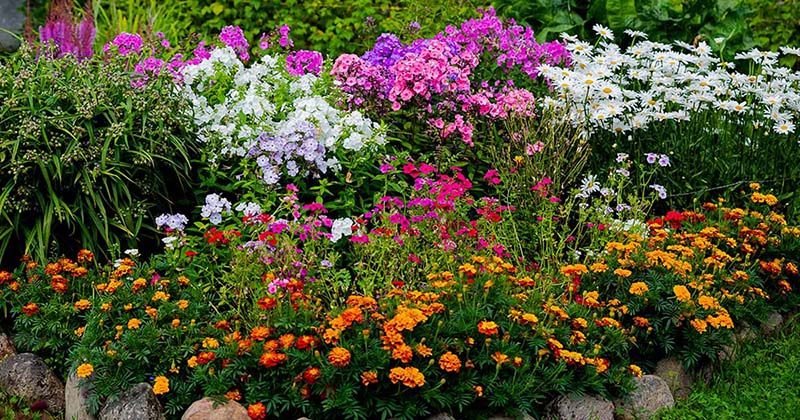
Landscaping to Attract Pollinators
Pollinators are essential to a healthy ecosystem, they can transform your landscape into a vibrant, thriving outdoor space. Bees, butterflies, hummingbirds, and other beneficial insects will add beauty and movement to your yard; and continue to play a critical role in plant reproduction and overall environmental health. Designing a pollinator-friendly landscape requires thoughtful planning.
Landscape Designs to Attract Pollinators
Here’s how we create an outdoor space that supports pollinators while still looking polished and professionally designed by incorporating pollinator-friendly design elements. And the best part is a pollinator garden can look just as refined and intentional as any traditional landscape design.
- Choosing Native Plants
Native plants are the foundation of a successful pollinator landscape. Because they evolved in your region, they provide the right type of nectar, pollen, and habitat for local pollinators. A diverse mix of native perennials, shrubs, and flowering plants ensures consistent food sources throughout the growing season.
- Plan for Continuous Bloom
One of the biggest mistakes in pollinator design is only planting flowers that bloom at the same time. To properly support pollinators, your landscape should provide nectar from early spring through late fall. Staggered bloom times keep your yard active and colorful all season long.
- Create Plant Layers
A well-designed landscape includes vertical layering of different plants including; groundcovers, perennials, shrubs, small trees and canopy trees. Layering adds visual depth and curb appeal while creating shelter and nesting areas for pollinators.
- Provide Host Plants for Butterflies
Butterflies need more than just nectar alone, they also need host plants to lay their eggs and feed caterpillars. Including host plants like: milkweed, parsley and native grasses ensure your landscape supports the full pollinator lifecycle.
- Reduce or Eliminate Chemical Use
Many pesticides and herbicides harm beneficial insects along with pests. Instead you should use integrated pest management practices, encourage the use of beneficial insects, and maintain healthy soil to reduce disease. Healthy soil leads to stronger plants and stronger plants naturally resist pests.
- Incorporate Water Sources
Pollinators need shallow water sources to drink and cool off.
Simple additions like shallow bird baths, small water features and drip irrigation systems can dramatically increase pollinator activity.
- Add Shelter & Nesting Areas
Pollinators need safe places to rest and reproduce. Support them with leaving some areas slightly natural, installing bee houses, using mulch instead of landscape fabric and avoiding excessive fall cleanup. A perfectly manicured yard isn’t always the most pollinator-friendly. Thoughtful design balances structure with habitat.
- Blend Beauty with Function
Pollinator landscapes don’t have to look wild or unkempt. With professional design, you can use defined bed edges, stone borders, frame pollinator gardens with structured hedges and combine flowering plants with ornamental grasses. The result is a space that looks intentional and high-end, that still supports wildlife.
Ready to Create a Pollinator-Friendly Landscape?
Let Dr. Dan’s Landscaping design a pollinator landscape with thoughtful planning, plant selection, and layout strategy. Your yard will become a thriving ecosystem that benefits both your home and the environment. If you’re interested in transforming your outdoor space into a pollinator-friendly landscape, call us today or fill out our online form to request a consultation.