
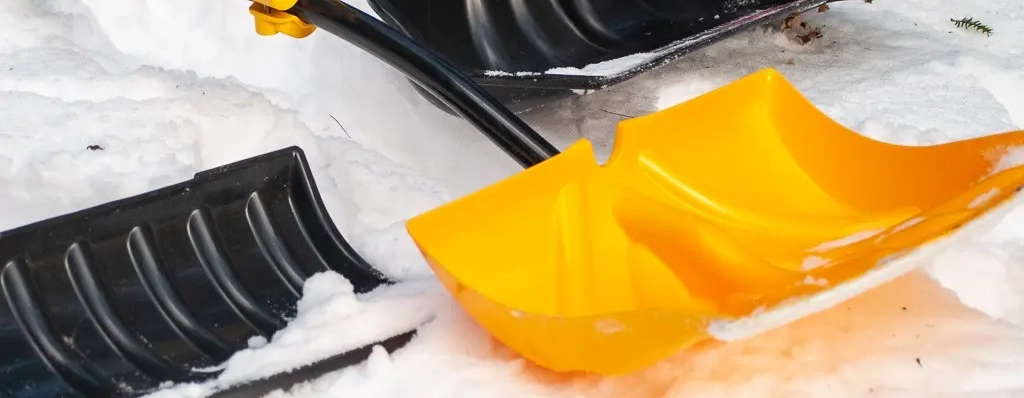
Snowstorms are relatively rare in Southeast Hampton Roads, but when they do occur, they can cause considerable stress for homeowners concerned about the well-being of their patios, decks, fences, and plants. Preparing and caring for these outdoor features during a winter weather event ensures they stay in great shape and recover quickly once the snow melts. Here’s how you can safeguard your investment and keep your landscape looking its best.
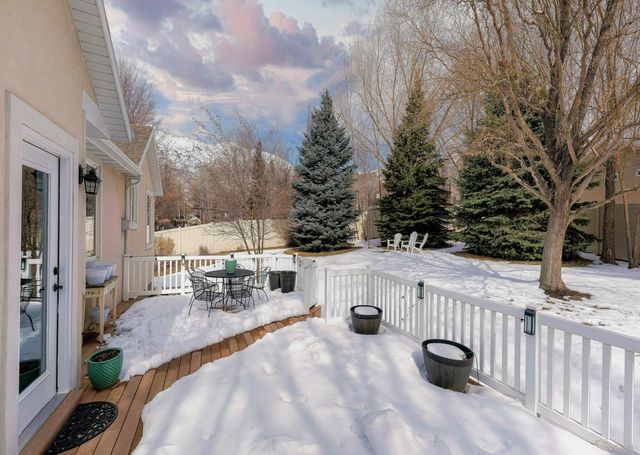
Patios and decks are often made from materials like wood, composite, concrete, or stone. Snow and ice can damage surfaces, cause warping, and promote mold growth if not properly maintained. Follow these steps to keep your patio or deck protected:
- Clear Debris Before the Storm: Sweep away leaves, twigs, and dirt. Organic debris traps moisture and can stain or rot surfaces.
- Move Furniture and Grills: Relocate furniture, grills, and planters indoors or under cover to prevent damage and make snow removal easier.
- Apply a Sealant: If you haven’t already, sealing wooden decks and patios before winter helps repel moisture and prevents cracking.
- Remove Snow Promptly: Use a plastic snow shovel (not metal) to gently clear snow, working with the grain of wood to avoid scratches. Avoid using salt on wood, as it can cause discoloration and deterioration.
- Salt should not be used on concrete—especially new concrete—as it causes severe damage, including saling, pitting and cracking. Salt lowers the freezing point of water, which increases the frequency of freeze-thaw cycles, forcing moisture into the pores, causing the surface to spall (flake or chip). Use sand or calcium chloride for ice instead.
- Avoid Heavy Foot Traffic: Try to limit movement on icy surfaces to prevent slips and further damage.
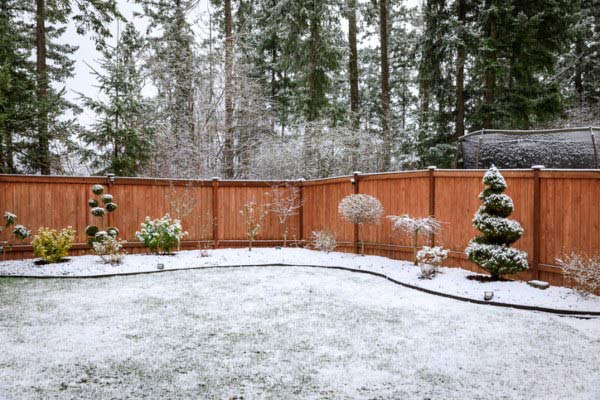
Fences, especially wooden ones, are susceptible to damage from heavy snow and ice accumulation. Here’s how to proect your fence:
- Inspect for Weak Spots: Before the storm, check for loose boards, posts, or hardware and make necessary repairs.
- Trim Nearby Trees: Cut back overhanging branches that could break under snow load and fall onto the fence.
- Clear Snow Buildup: Gently brush off heavy snow from the fence to prevent sagging or breakage. Avoid striking or banging the fence, as frozen wood is more brittle.
- Monitor for Ice Damage: After the storm, inspect for cracks or splits caused by freezing and thawing cycles.
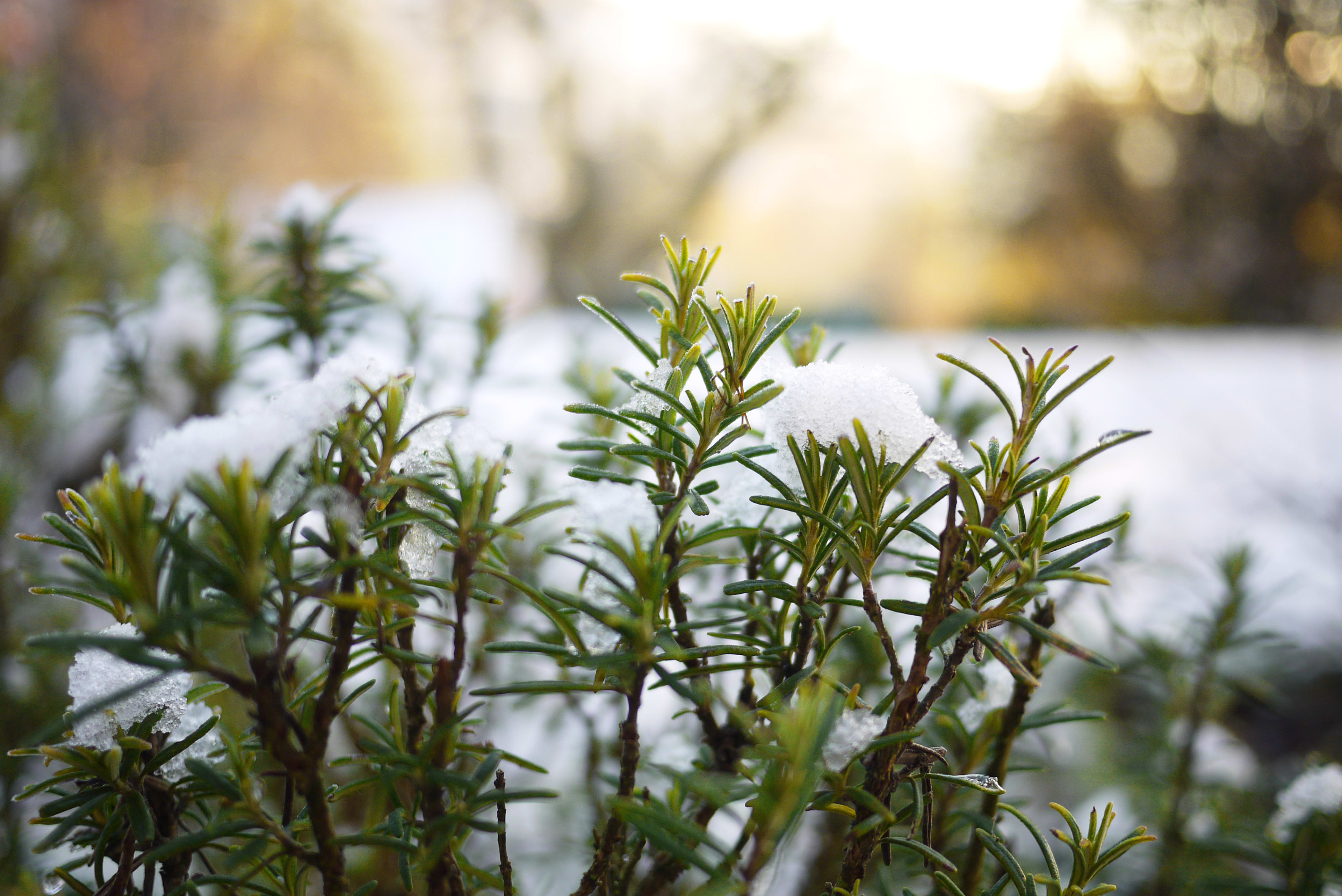
Snow can be both a blessing and a curse for plants. While a blanket of snow insulates roots from harsh cold, heavy or icy accumulation can snap branches and crush delicate shrubs. Protect your plants with these strategies:
- Mulch Before the Storm: Apply a layer of mulch around the base of plants to insulate roots and retain moisture.
- Cover Sensitive Plants: Use burlap, frost cloths, or old sheets to shield tender shrubs and perennials from snow and ice.
- Shake Off Heavy Snow: Gently shake snow off branches and shrubs to prevent breakage. Avoid knocking off ice—wait until it melts naturally to prevent further damage.
- Prune Wisely: Remove dead or weak branches before winter to reduce the risk of breakage under snow weight.
- Water When Possible: If the ground isn’t frozen, water plants on dry winter days to prevent dehydration.
Taking a few proactive steps before and during a snowstorm in Southeast Hampton Roads can make all the difference in protecting your patios, decks, fences, and plants. Regular maintenance and timely action will help you avoid costly repairs and keep your outdoor oasis thriving year-round. Stay safe, stay warm, and enjoy the beauty of winter knowing your home’s exterior is well cared for!