

|
Key Takeaways: Learn about what Eco-Friendly landscaping is and how these landscapes are designed. Hear about the best gardening practices for Virginia Beach gardeners to sustain an eco-friendly landscape. Also learn some important tips from local sustainable landscaping professionals and the products they recommend. |
What is Eco-Friendly Landscaping?
Eco-friendly landscaping (i.e sustainable landscaping or green landscaping) is the practice of designing, installing, and maintaining outdoor spaces in ways that reduce environmental impact, conserve natural resources, and support local ecosystems. The goal is to create landscapes that are attractive and functional while using less water, fewer chemicals, and more natural processes.
How Are Landscapes Designed to be Eco-Friendly?
Eco-friendly landscaping design begins by applying sustainable planning techniques that reduce resource consumption, protect soil and water, and support local ecosystems. Sustainable landscape designs consider how the landscape functions within its environment over the long term, rather than focusing only on appearance. Learn more about the steps to achieve a proper eco-friendly landscape.
Site Analysis and Environmental Planning
Eco-friendly landscape design begins with a careful assessment of the property. Designers evaluate factors such as; sun and shade patterns, soil composition and drainage, natural slopes and erosion risks, existing vegetation and wildlife habitats. By working with these natural conditions instead of against them, designers can reduce the need for heavy irrigation, soil amendments, or major grading work.

Native and Adaptive Plant Selection
Choosing native or climate-adapted plants is one of the most important design strategies. Native plants support local pollinators, birds, and beneficial insects, strengthening the surrounding ecosystem. These plants naturally thrive in the local environment and typically require; less watering, fewer fertilizers, and minimal pesticide use.
Water-Efficient Landscape Layout
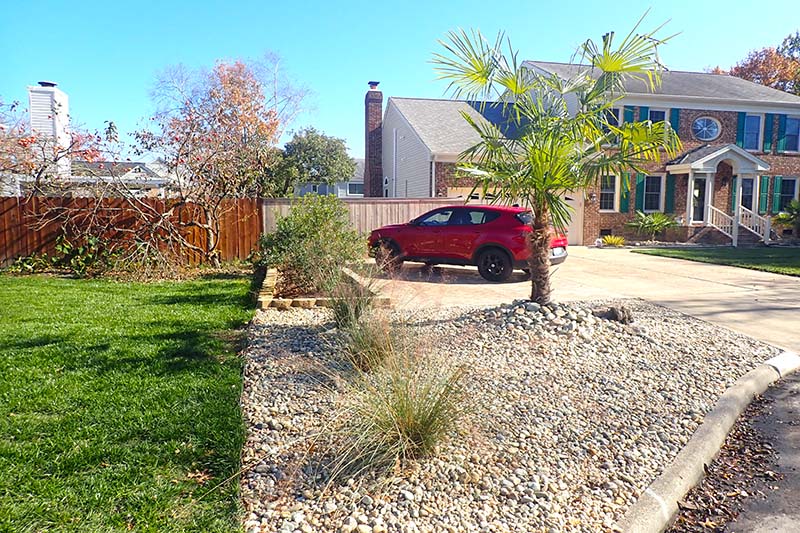
Eco-friendly landscapes are often arranged to reduce irrigation demands. These features significantly reduce water waste while protecting nearby waterways from runoff pollution. Designers accomplish this by; hydrozoning (grouping plants together that have similar water needs), using drought-tolerant plants in sunny or dry areas, installing drip irrigation systems instead of overhead sprinklers, and creating rain gardens that collect and absorb stormwater runoff.
Soil Health and Organic Practices
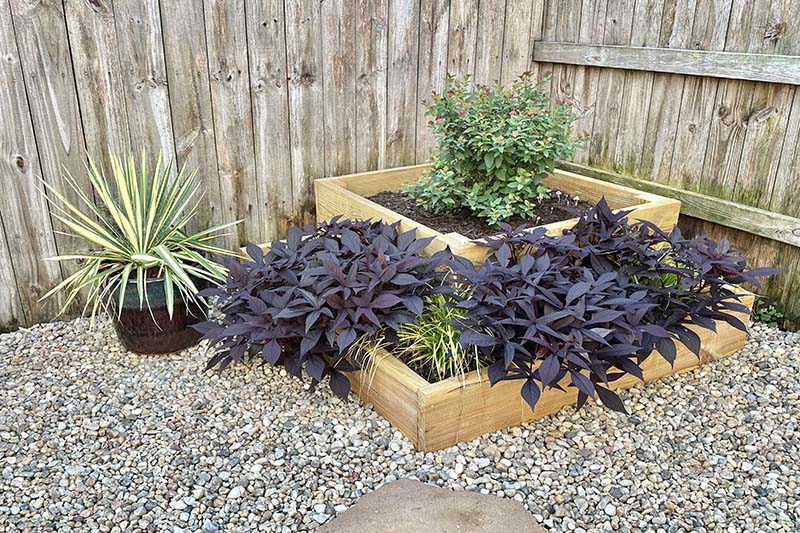
Healthy soil is essential to sustainable landscaping as strong soil biology improves plant resilience and reduces maintenance needs. Landscape designers incorporate strategies that improve soil quality and long-term fertility, such as:
- Adding compost or organic soil amendments
- Using mulch to retain moisture and prevent erosion
- Minimizing soil disturbance during construction
- Avoiding excessive chemical fertilizers

Permeable Hardscapes
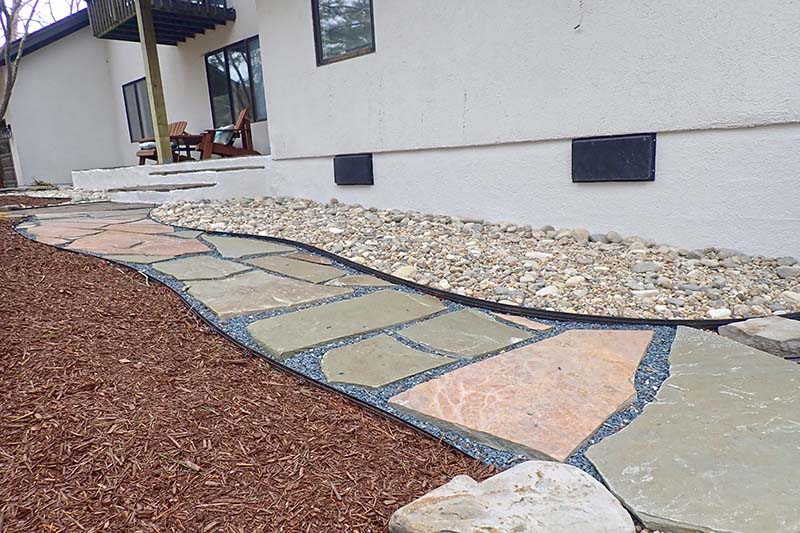
Traditional paved surfaces can actually increase runoff and flooding. These materials help recharge groundwater while preventing drainage issues. Eco-conscious designs often include permeable materials that allow water to soak back into the ground, such as; permeable pavers, gravel pathways, porous concrete, and natural stone installations.
Wildlife-Friendly Design
Eco-friendly landscapes are intentionally designed to support wildlife. Design features include; pollinator gardens for bees and butterflies, berry-producing shrubs for birds, small water sources for animals, and layered plantings that provide shelter and nesting areas. These features help restore natural habitats, especially in suburban or urban areas.

Sustainable Materials and Long-Term Durability
An environmentally responsible landscape design also considers the materials used in outdoor structures, reducing the environmental footprint of construction. Designers often choose to use; reclaimed wood or stone, locally sourced materials, recycled landscape products, and durable materials that require less replacement over time.
In essence, eco-friendly landscape design focuses on creating outdoor spaces that work with nature rather than against it. By conserving water, improving soil health, supporting wildlife, and using sustainable materials, these landscapes provide long-term beauty while minimizing environmental impact.
| Feature | Traditional Landscaping | Eco-Friendly Landscaping |
|---|---|---|
| Water Use | High irrigation demand | Designed for low water consumption |
| Plant Selection | Often non-native ornamentals | Native and drought-tolerant plants |
| Fertilizers | Synthetic fertilizers common | Organic soil amendments |
| Maintenance | Frequent mowing and trimming | Reduced maintenance needs |
| Environmental Impact | Higher carbon and chemical footprint | Supports biodiversity and soil health |
Expert Gardening Tips to Sustain An Eco-Friendly Landscape
At Dr. Dan’s Landscaping & Architectural Design we have many tips and recommendations that homeowners should consider to sustain their eco-friendly landscape. Our eco-friendly landscape designers recommend that you define the edges of your flower and vegetable beds for a polished look and to prevent grass encroachment.
Spring prep is also important. You should begin by clearing away fallen leaves, branches, and any leftover winter debris from your lawn, garden beds, and patios. Take time to inspect walkways, patios, decks, and retaining walls for signs of winter damage and arrange for any necessary repairs. Prune dead or damaged branches from trees and shrubs, especially those that flower in late spring or summer. You can learn more specifics by checking out our blog.
Best Eco-Friendly Weed and Pest Control
Spread a fresh layer of mulch around trees, shrubs, and garden beds to retain moisture, suppress weeds, and regulate soil temperature. Watch for early signs of pests and treat them promptly with eco-friendly solutions as needed.
Organic, safe weed control products. Of course there are home recipes to make your own, but horticulture vinegar can be a strong irritant so it is a good idea to mix the ingredients carefully. Some of the best organic products for weed control that we recommend are:
Green Gobbler – Uses a solution composed of 20% horticulture vinegar, a great eco-friendly way to keep weeds at bay.
Natural Elements – Formulated with highly concentrated commercial-grade vinegar designed to deliver fast, visible results on contact. The formula works by adhering to the leaf surface and breaking down the plant’s protective outer layer, allowing the active ingredients to quickly penetrate and begin damaging the weed. They also have good products for pest control, including a mole/vole repellent that is very good.
Mighty Mint – This spray can be used for a variety of insect and pest types. For gardens, planters, indoor plants, and more. Mighty Mint repellents are made with Us-farmed peppermint, expertly sourced offering only the very best in premium peppermint oil to provide the safest, most effective natural pest control for you and your family.
Best Eco-Friendly Soil Enrichment Products
We suggest enriching the soil in garden beds with a compost or organic material when planting. Of course, it’s always best to create your own compost pile, but many people cannot. So we recommend the following options for organic compost.
Espoma – Packed with natural proteins and beneficial microbes, your plants will thank you with strong roots, deep green foliage, and big beautiful blooms and harvests.
Natural Armor – All Natural Armor products are eco-friendly and safe around people, pets and the environment because they do not contain chemicals or poisons and are bio-degradable.
Brut Farms – This powerful trio includes everything you need to get started, the All-Natural potting soil, nutrient-rich worm castings, and additive-free cow compost—everything you need for healthier, stronger plants indoors and outdoors.
Best Garden Tools for Virginia Homeowners
Felco – Has a good line of gardening tools. These pruning shears have quickly become the standard of embodying quality, precision, and durability. Professionals and enthusiasts worldwide, epitomizing precision, reliability, and timeless design: the embodiment of modern pruning shears.
Gonicc – Has a good line of gardening tools as well.
Fiskars – From deadheading flowers to trimming and pruning trees and plants, these steady trusted tools will help you transform your garden.
Turn Your Yard Into an Eco-Friendly Paradise
Let the eco-friendly landscape designers at Dr. Dan’s create a beautiful landscape that is not only eye-catching but also environmentally friendly and sustainable.
Call (757) 496-8100 Today or Request a Consultation Now.
Frequently Asked Questions About Eco-Friendly Landscaping
What is eco-friendly landscaping?
Eco-friendly landscaping is an approach to designing and maintaining outdoor spaces in a way that minimizes environmental impact. It focuses on conserving water, reducing chemical use, improving soil health, and selecting plants that naturally thrive in the local climate.
What are the main benefits of eco-friendly landscaping?
Eco-friendly landscapes can reduce water usage, lower maintenance costs, and support local wildlife such as birds and pollinators. They also help prevent soil erosion and reduce harmful chemical runoff that can affect nearby waterways.
Do eco-friendly landscapes require less water?
Yes. Sustainable landscapes are often designed with drought-tolerant plants, efficient irrigation systems, and mulch that helps retain soil moisture. These features significantly reduce the amount of water needed to maintain a healthy landscape.
Are native plants important in eco-friendly landscaping?
Native plants are a key component because they are naturally adapted to the region’s soil and climate. This means they typically require less watering, fewer fertilizers, and minimal pest control while also supporting local ecosystems.
Can eco-friendly landscaping reduce maintenance?
In many cases, yes. By using hardy plants, improving soil quality, and reducing turf areas, eco-friendly landscapes often require less mowing, watering, and chemical treatments compared to traditional landscaping.
Is eco-friendly landscaping more expensive to install?
Initial installation costs can vary depending on the design and materials used. However, eco-friendly landscapes often save money over time due to lower water bills, reduced maintenance needs, and longer-lasting landscape features.
Can traditional lawns be part of an eco-friendly landscape?
Yes, but they are usually used in smaller areas. Many sustainable designs reduce large turf lawns and replace portions with native plants, groundcovers, or garden beds that require fewer resources.
What features are commonly included in eco-friendly landscapes?
Common elements include native plant gardens, rain gardens, drip irrigation systems, permeable walkways, composting practices, and organic soil management techniques that support long-term environmental health.
Hear What Our Customers Have Said
“Dr. Dan and the team completely transformed the front of our house with stamped concrete, dry well downspouts, and easy-to-manage landscaping. The entire team was prompt, efficient, friendly, and provided quality work all while taking into consideration our requests. Our curb appeal went from zero to hero!”
-Amy Lynes, Virginia Beach
“Hi Dr. Dan!
Your crew were the absolute top of the line people!! Each one was polite and eager to work to make my patio beautiful! I would certainly recommend them to anyone It was a pleasure having them here.”
-Patricia Harris Anthony – Virginia Beach